Delft Solar Team starts American Solar Challenge from second position
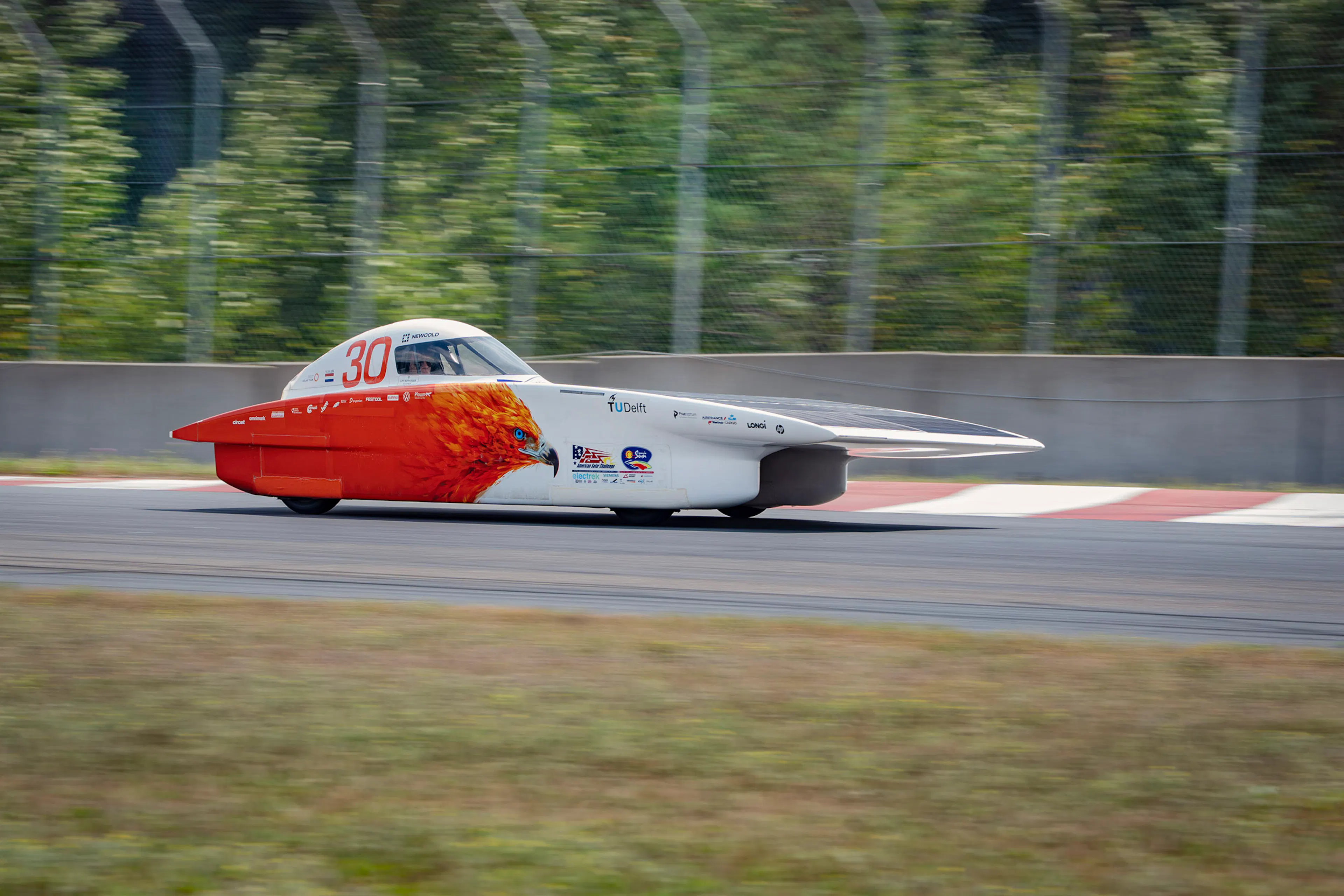
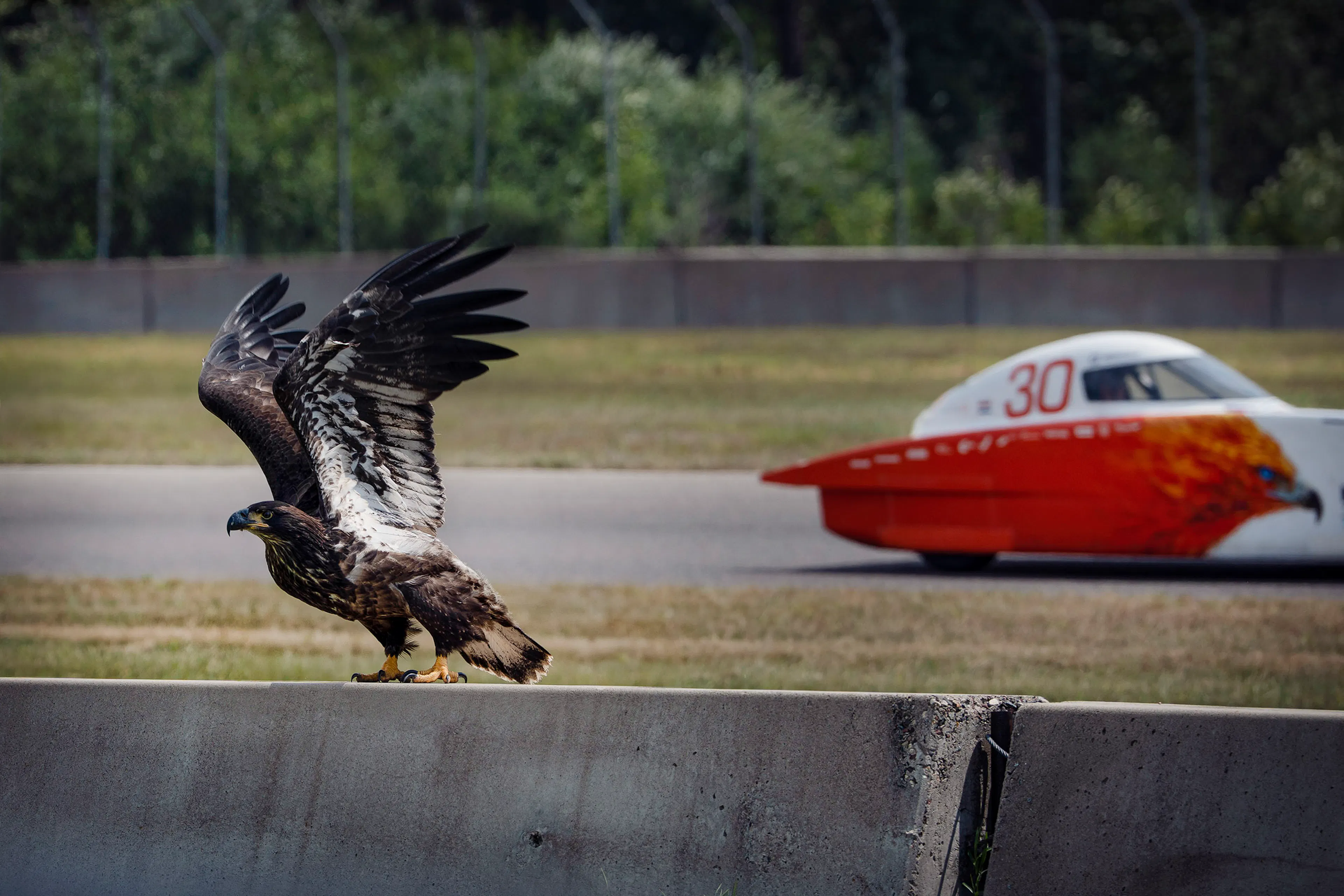
Minneapolis, July 24, 2026 — Delft Solar Team will start the eight-day solar race, the American Solar Challenge, from second position. With 319 laps completed during the three-day Formula Sun Grand Prix, the Delft student team qualified in second place, just behind the Canadian Eclipse 12. Following last year’s world title at the Bridgestone World Solar Challenge in Australia, the upgraded Nuna 13S faces a completely new challenge.
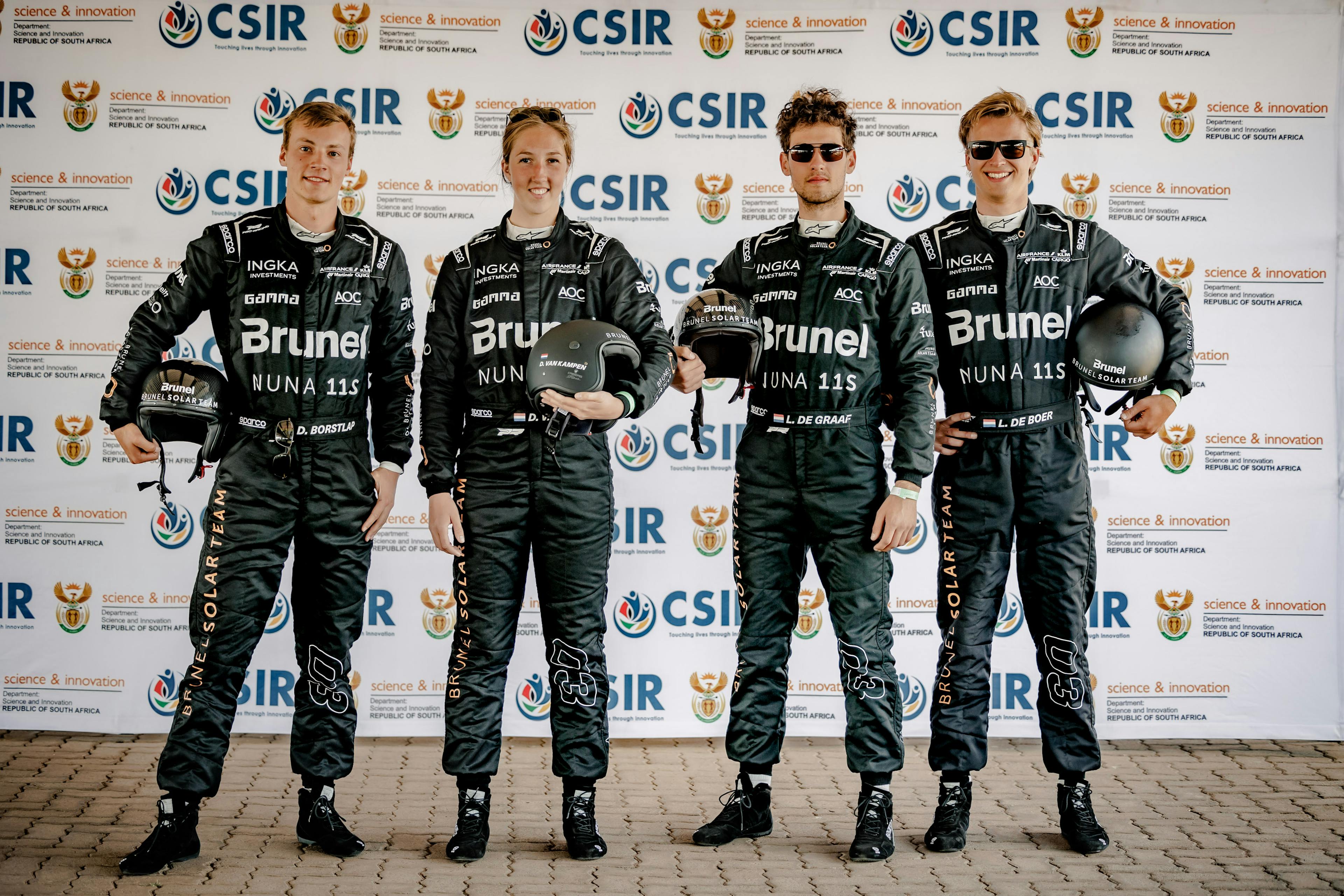
Delft Solar Team is the first Dutch solar team to participate in the American race. Before the teams were allowed to begin qualifying, they first had to pass a four-day technical inspection, known as scrutineering. Due to the strict requirements, only 30 of the 44 registered teams ultimately were allowed on the track, and just 13 teams subsequently qualified for the actual race. This year’s qualifying process was different from what the Delft Solar Team is used to. During the races in South Africa and Australia, a single fast qualifying lap determines the starting position. In the U.S., the teams drive as many laps as possible over three days at the Brainerd International Raceway to determine their starting position. “It’s incredibly special to be behind the wheel of Nuna 13S,” says Tom van Aaken, a driver for the Delft Solar Team. “We had to drive as many laps as possible to secure the best starting position, but safety always comes first. With speeds of over 100 kilometers per hour, hard braking before the turns, and regularly passing other teams, every lap demanded complete concentration. It was precisely that combination of speed, strategy, and precision that made this qualifying session so challenging.”
The Upgraded Nuna 13S
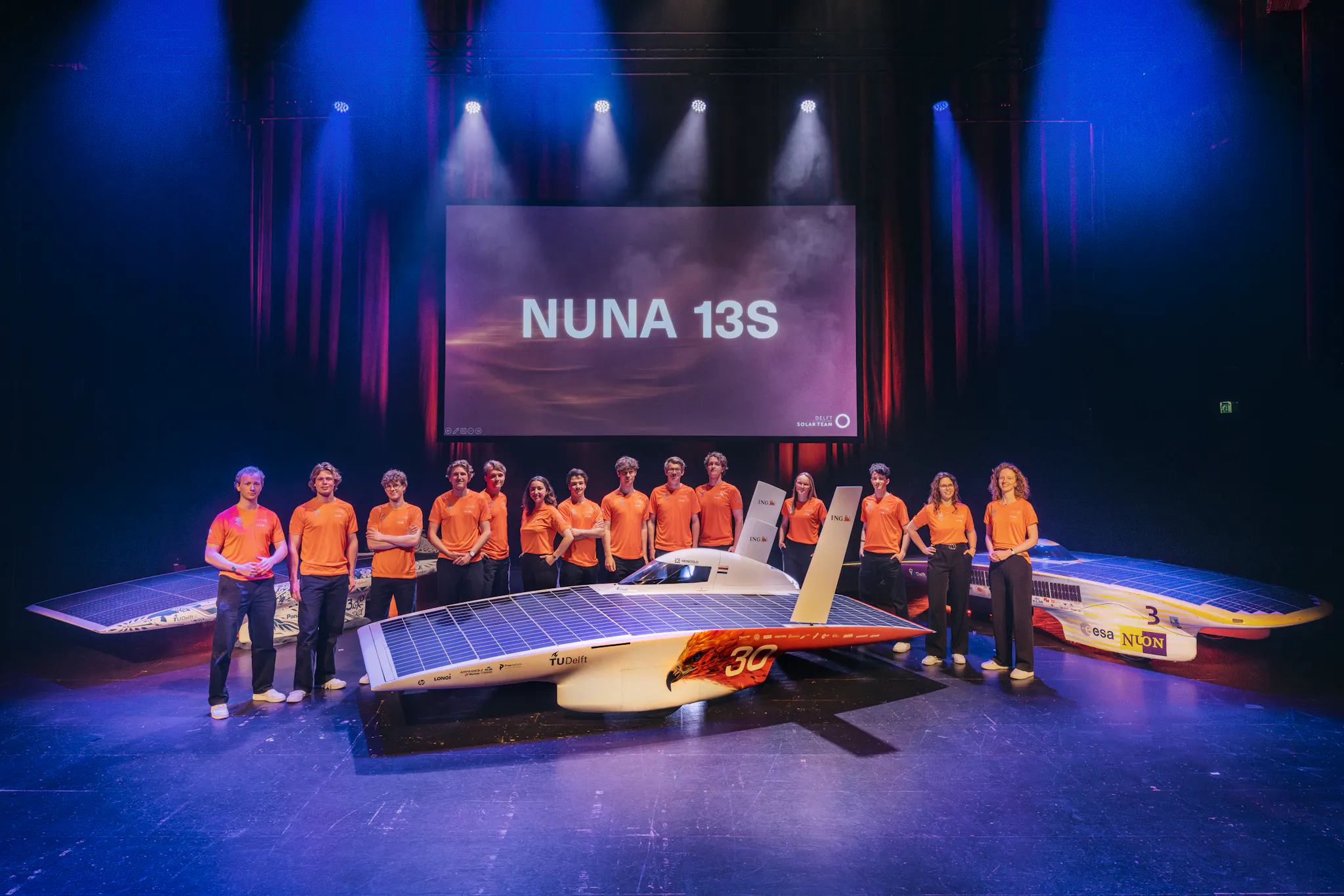
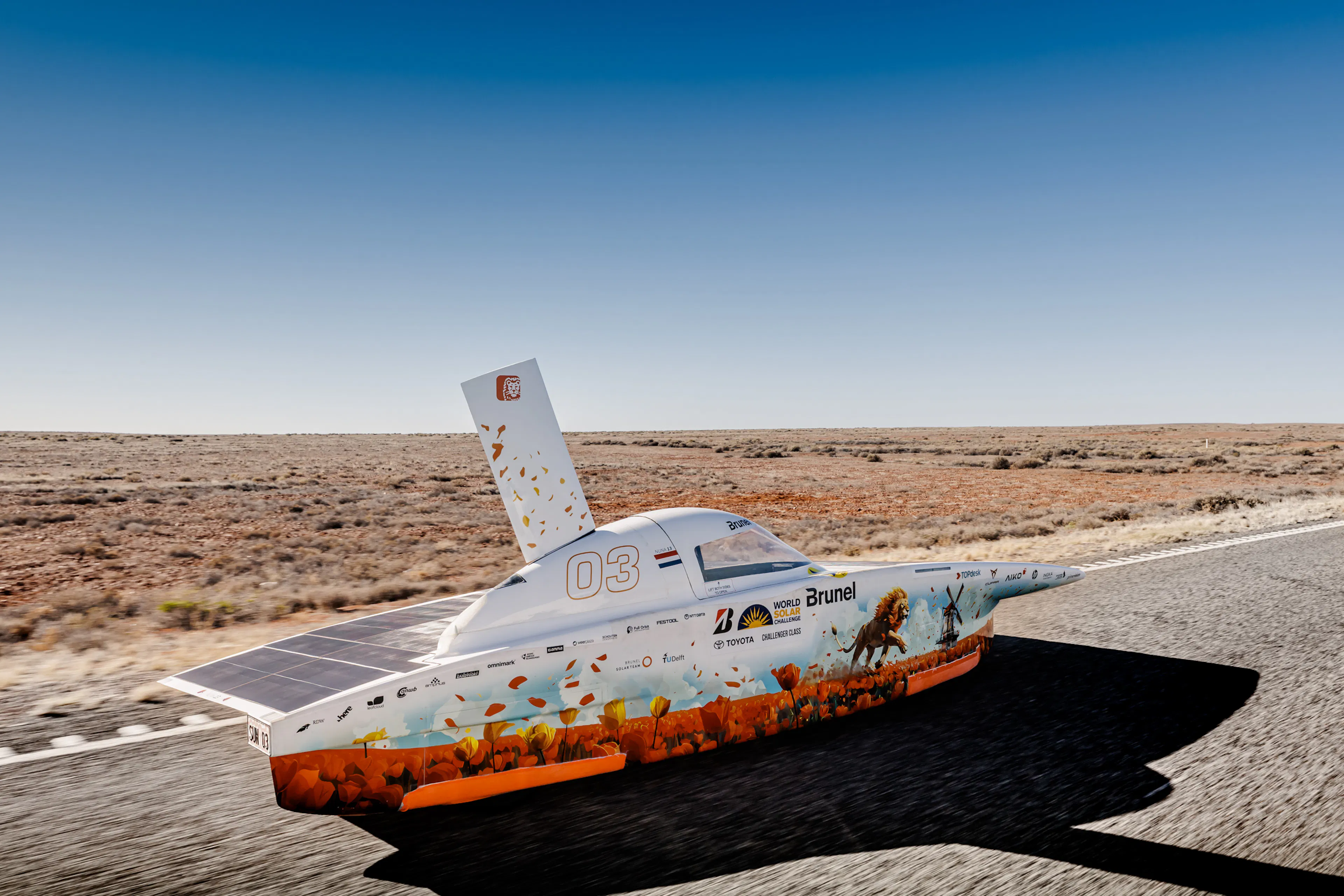
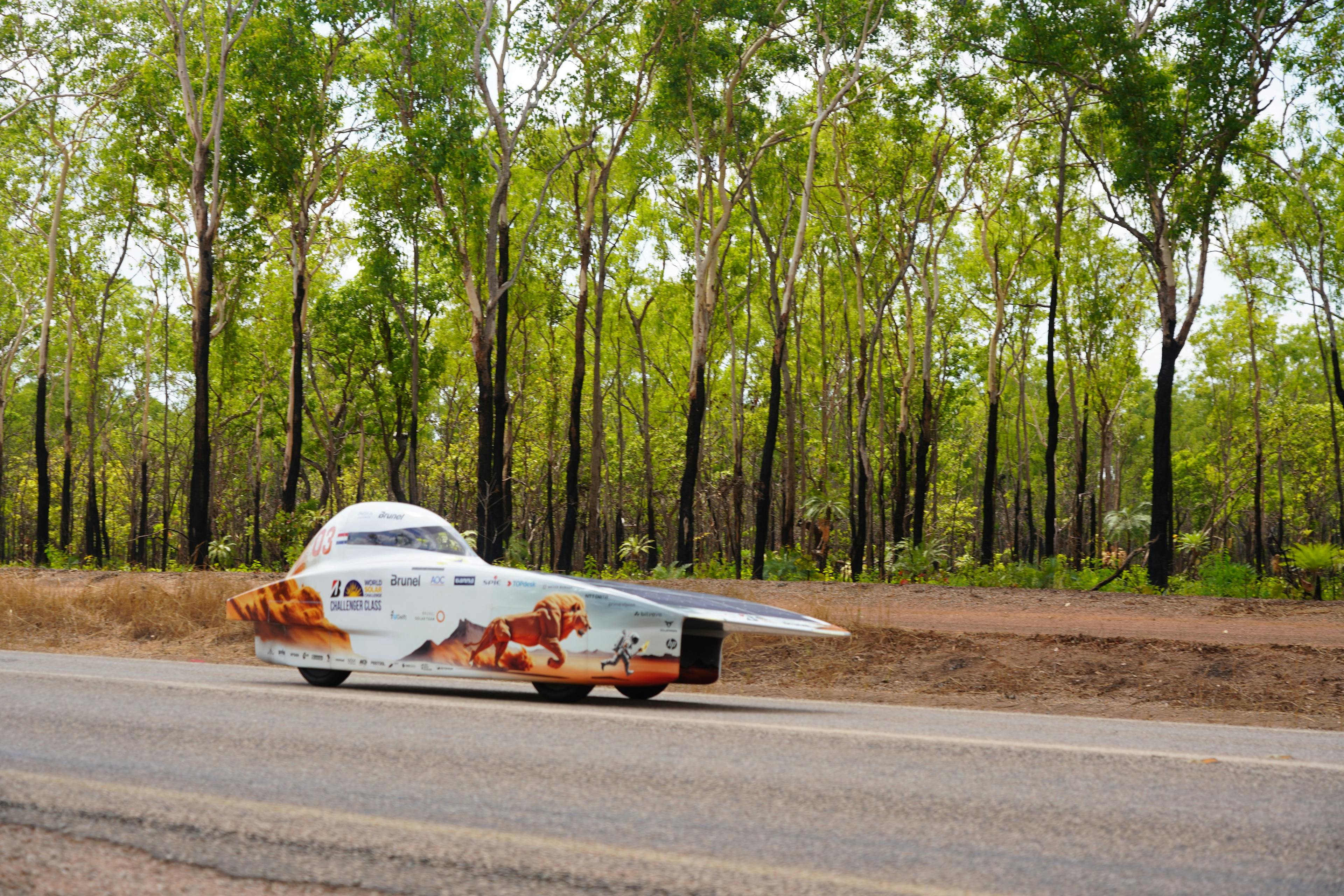
The American Solar Challenge has different conditions and rules than the races in Australia and South Africa. This calls for a new approach. To perform at its best on American soil, the team completely stripped down the reigning world champion, the Nuna 13, and further developed it into the Nuna 13S. Among other things, the solar car was equipped with a completely new electrical system, a water-cooled motor, and a new solar panel featuring cells from LONGi. In addition, various technical modifications improve aerodynamic performance. Due to U.S. regulations, the car is also equipped with a metal roll cage instead of a carbon-fiber structure. “In this race, we have to take into account unique and highly variable conditions. The American landscape varies greatly, and weather forecasts are also difficult to predict. That’s why our team is constantly calculating how to best utilize the available solar energy and continuously adjusting our strategy,” said Guus van der Donk, team leader at Delft Solar Team.
Kilometers Beyond Speed
In eight days, the Delft Solar Team will drive over 5,000 kilometers from Minneapolis to Amarillo. The goal isn’t to set the fastest time, but for the team to cover the greatest distance. The route therefore includes extra “loops” so that participants can drive additional kilometers. “Now that the qualifying round is behind us, we’re ready for the next step,” says Wietske Overdijkink, Race Manager at the Delft Solar Team. “We’ve shown that the car and the team are ready for this challenge. We’re going to make the most of every race day and look forward to showing what we’re capable of.”
About the Delft Solar Team
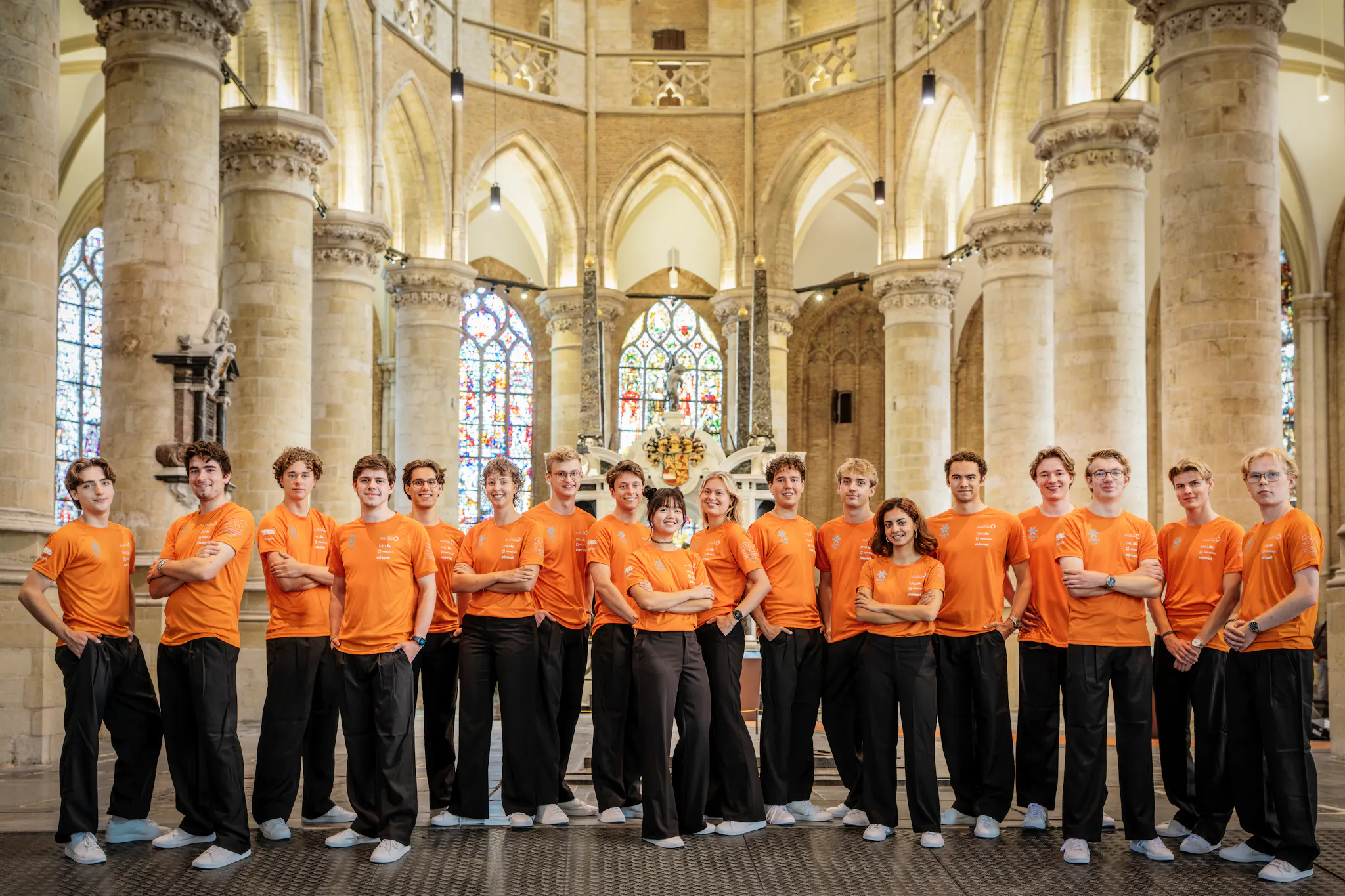
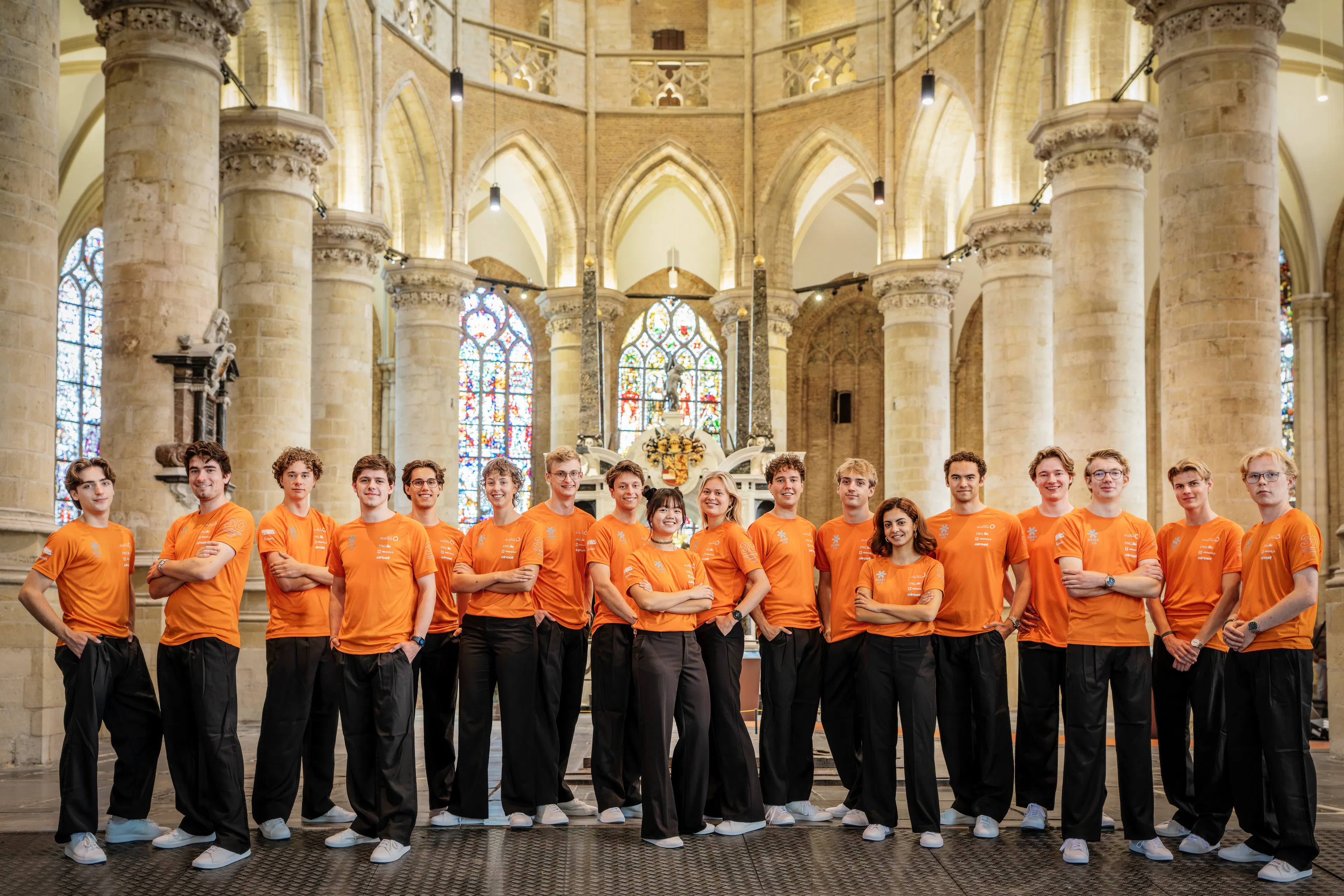
The Delft Solar Team is a student team from TU Delft that has been designing and building solar cars since 2001 and competing with them at the highest international level. With twelve world titles to its name, the team is internationally renowned for innovation, sustainability, and teamwork. This year, the team is participating in the American Solar Challenge for the first time and is once again demonstrating what is possible in the field of sustainable mobility.